News & Events

Many public employees cannot work from home. Towns are searching for new options.
Marc Pfeiffer, assistant director of the Local Government Research Center at Rutgers University’s Bloustein School of Planning and Public Policy, said municipal officials need to update their understanding of computer systems as well as their software. “It’s not whether a system is ‘closed’ or not,” Pfeiffer said in an email. “A network that is connected...

Aquatic Connectivity Through Climate-Ready Culverts
Aquatic connectivity is a key restoration goal for the New York – New Jersey Harbor & Estuary Program (HEP) and its partners. The creation of connectivity assessment protocols, training methods and data sharing developed by the North Atlantic Aquatic Connectivity Collaborative (NAACC) streamlined the effort to prioritize barrier removal to improve...

Near-real-time Water Quality Monitoring in the Raritan River Using Hybrid Vehicular-static Stations
Near-real-time water-quality monitoring of different variables in the Raritan River is critical to protect the aquatic life and to prevent propagation of the potential pollution in the water. Using only static sensors attached to fixed monitoring stations with predefined configurations is not a real-time and efficient solution for data collection as the...
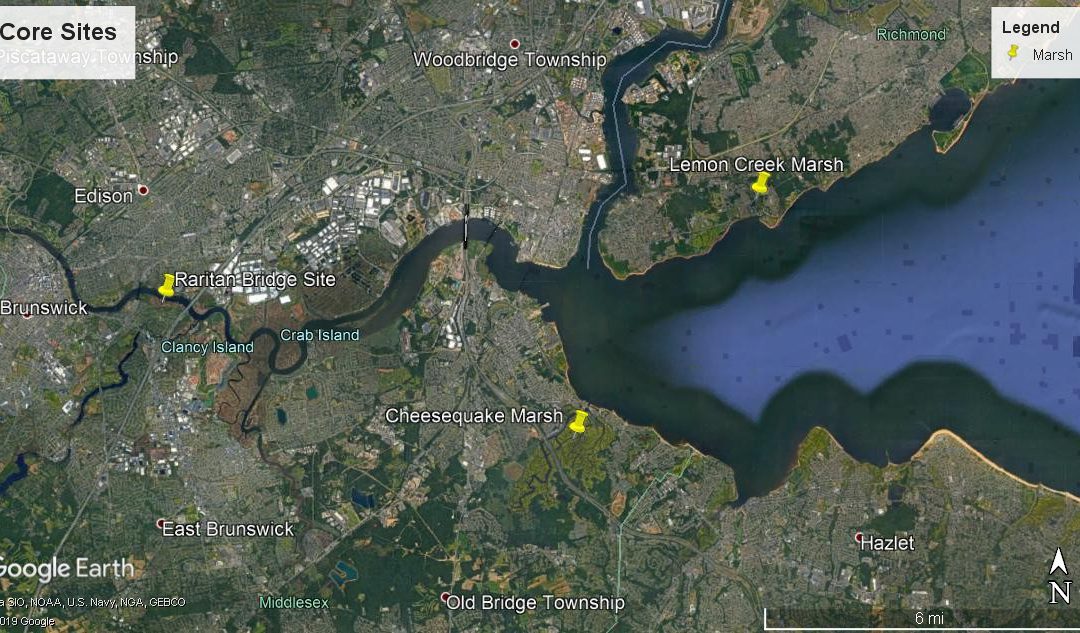
Blue Carbon in the Tidal Marshes of the Raritan
Tidal marshes provide a range of ecosystem services, including carbon sequestration. Although New Jersey’s tidal marshes appear to have kept pace with historical sea level rise in the pre-industrial period (Kemp et al., 2013), accelerating rates of sea level rise (Sweet et al., 2017) coupled with land-use changes (Lathrop et al., 2014) and sediment...
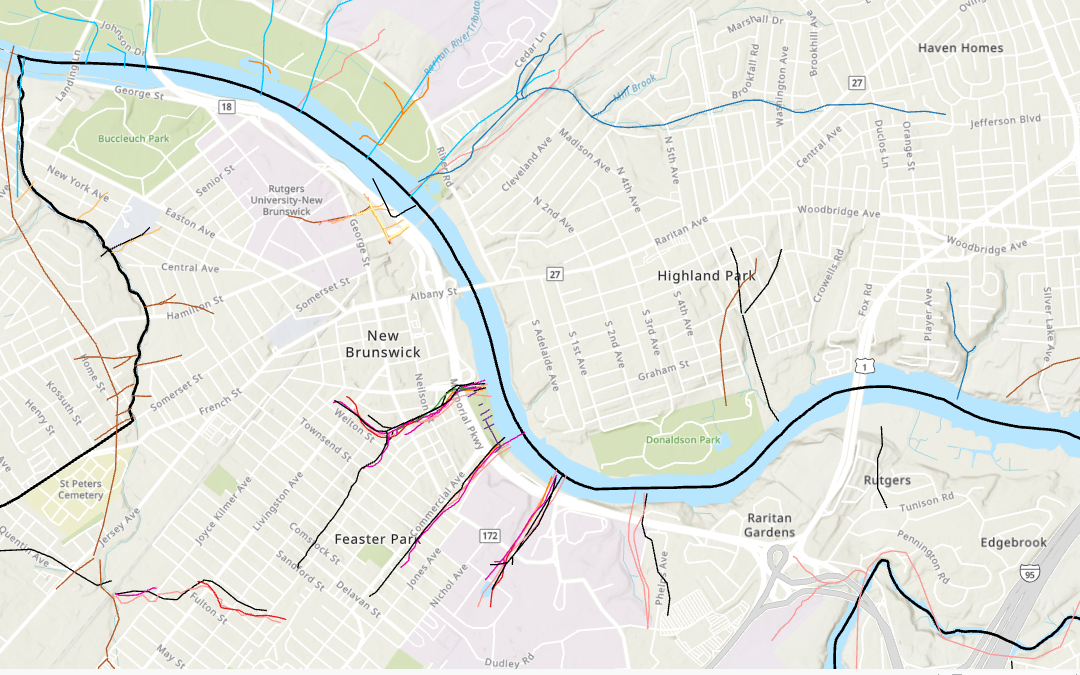
#lookfortheriver: finding historic streams of the Lower Raritan Watershed
The changing climate and development patterns of the Lower Raritan Watershed occur against a backdrop of substantial impervious surface coverage (approximately 34%), high population density, and significantly modified stream networks (e.g., stream straightening and burial, culverts, underground retention). Through hundreds of years of anthropogenic...
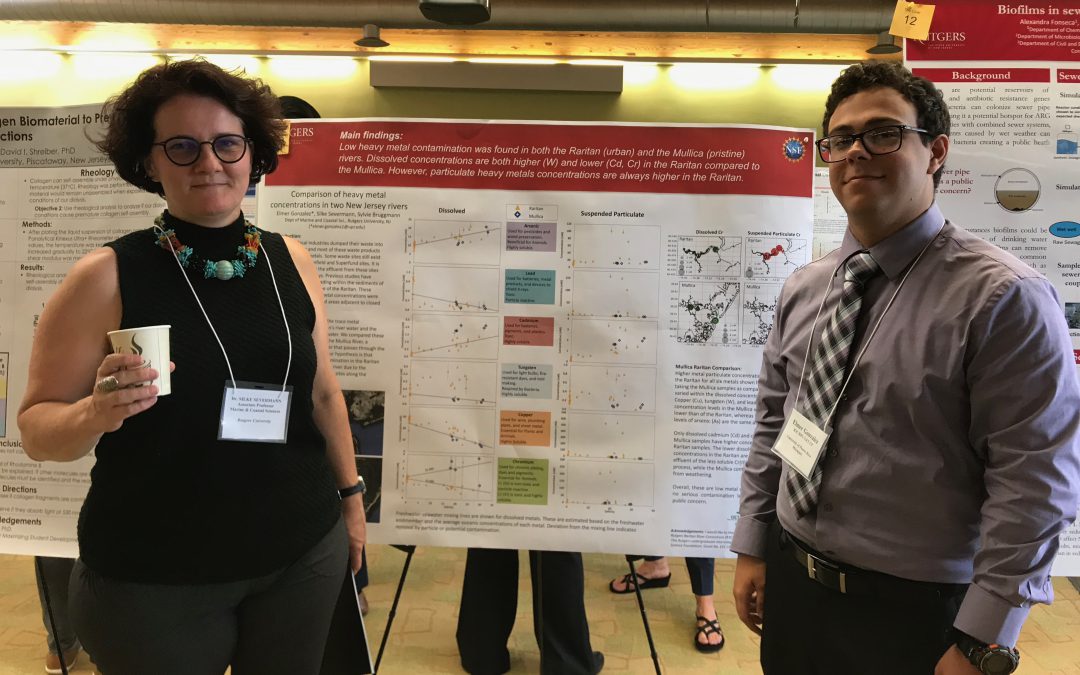
RISE on the Raritan
The Rutgers Raritan River Consortium (R3C) is dedicated to providing students, especially those from diverse backgrounds, with opportunities to access and study the Raritan alongside professionals, stakeholders and decision-makers. Similarly, the RISE at Rutgers program, run by the Rutgers School of Graduate Studies, works to engage undergraduate students...
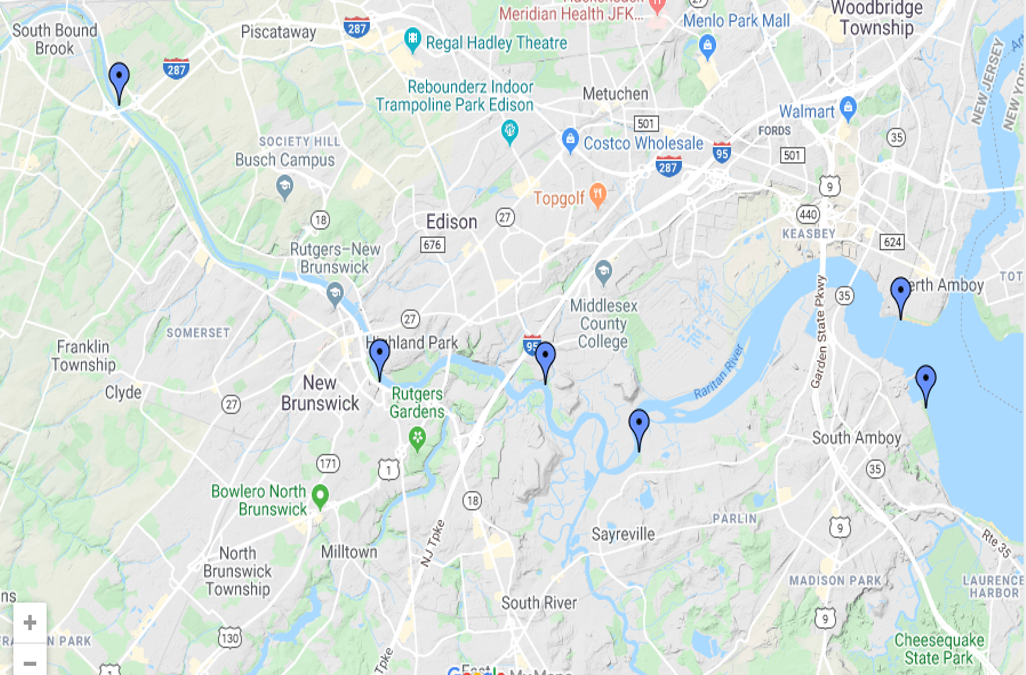
Development of a Volunteer Science Pathogen Monitoring Program on the Lower Raritan River
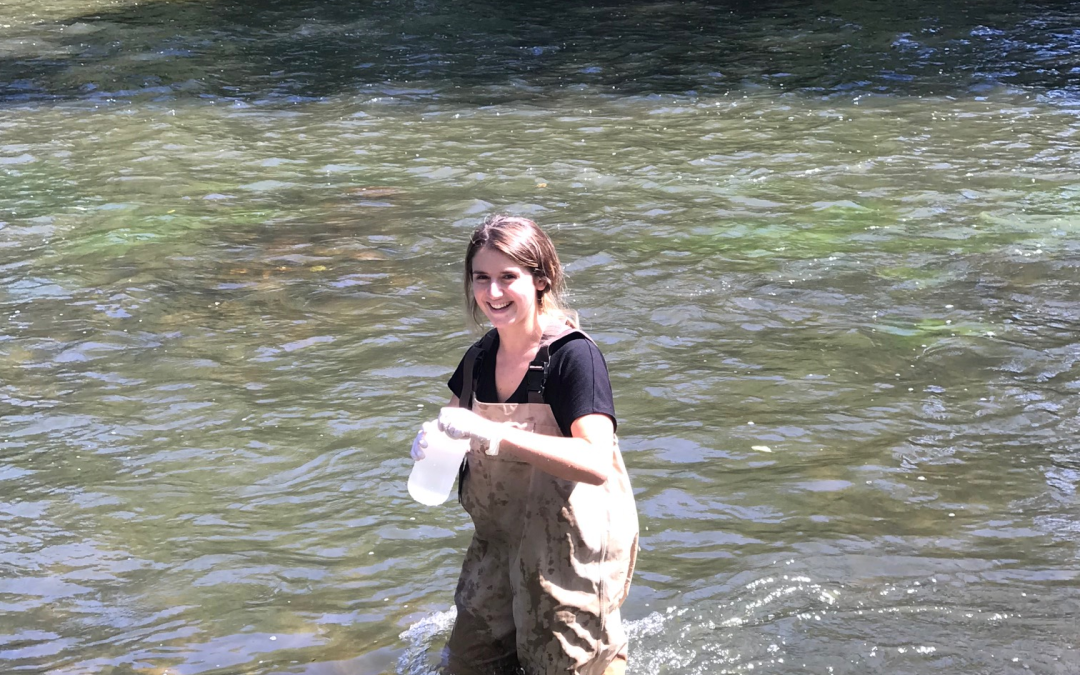
Little water quality data exists that can inform the safety of recreating on the highly urbanized Lower Raritan River. The Lower Raritan is actively used for fishing, paddling, catching bait fish, crabbing, jet skiing, wading and even swimming on a hot day, yet limited information is available for pathogen levels that have a direct effect on human health....
Opportunistic pathogens in the Raritan and the homes of people drinking the river
The burden of non-tuberculosis mycobacterium (NTM) infections on the US healthcare systems is estimated to cost $815 million annually. NTM causes chronic lung infections most commonly in older, immunocompromised, and cystic fibrosis patients. NTM can by-pass drinking water treatment and has been shown to proliferate in household plumbing biofilms after...
Quantifying the Presence and Abundance of Freshwater and Euryhaline Bivalves in the Raritan River
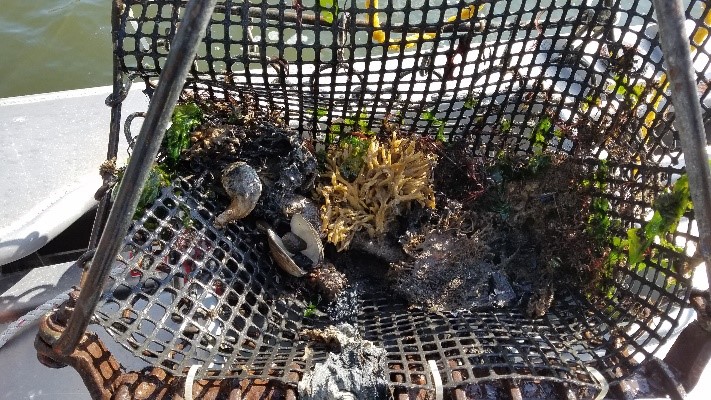
There is very little information on the density and or the species of bivalve mollusks present in the watershed of the Raritan River basin. The work that was conducted involved examining the presence or absence of bivalve mollusks from the mouth of the Raritan River to just past the Route 18 bridge in New Brunswick. The initial part of the project...
Environmental DNA (eDNA) Assay for Monitoring Recovery of River Herring
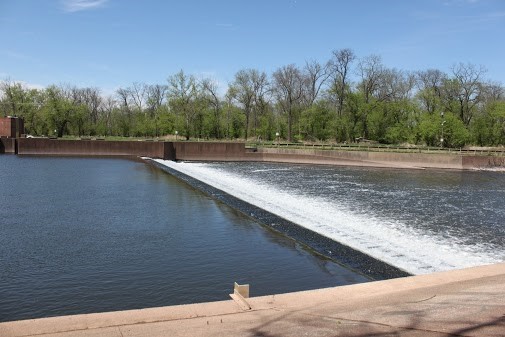
Mid-Atlantic populations of river herring (Alosa pseudoharengus, alewife, and A. aestivalis, blueback herring) have declined precipitously in recent years. River herring are listed as “Species of Special Concern” by the National Marine Fisheries Service. With over 1,700 dams in New Jersey, barriers to spawning migration are significant impediments to...
Recent Products
Transition Plan for the Return of Local Control to Paterson Public Schools, Second Annual Report
The Paterson school board regained full control of the school district in early 2018, after a 20 plus-year state takeover. Dr. Leila Sadeghi of the Bloustein Local Government Research group analyzed and evaluated the documentation provided by the district and produced...
Presence and variability of culturable bioaerosols in three multi-family apartment buildings with different ventilation systems in the Northeastern US
Bioaerosol concentrations in residential buildings located in the Northeastern US have not been widely studied. Here, in 2011-2015, we studied the presence and seasonal variability of culturable fungi and bacteria in three multi-family apartment buildings and...
Opportunities to Address Ocean Acidification Impacts in New Jersey
The Environmental Analysis & Communications Group's Jeanne Herb, in partnership with Grace Saba and Janine Barr, co-authored Opportunities to Address Ocean Acidification Impacts in New Jersey: An Outline of Options for the New Jersey Coastal Management program....
Ecological Monitoring and Mitigation Policies and Practices at Offshore Wind Installations in the United States and Europe
EAC's Matt Campo co-authored a report on Ecological Monitoring and Mitigation Policies and Practices at Offshore Wind Installations in the United States and Europe. Matt and co-author Michael Allen prepared the report for the New Jersey Climate Change Alliance with...